How to read treatment progress
Korean Medicine Treatment to Reduce Physical Reactions of Hwabyung When Chest Tightness Persists After Anger
Advice to simply 'not get angry' is insufficient to resolve physical reactions that lead to chest tightness, heat sensations, a feeling of a blocked throat, and insomnia. Rather than suppressing emotions, we treat the body's ability to recover from tension.
The frequency of emotional events and the time it takes for the body to release tension are different axes of treatment. Even if the anger-inducing situations remain the same, if the chest tightness, heat sensation, and digestive issues resolve and the time to return to normal conversation shortens, it can be read as a treatment response.
| Physical Reaction | Immediate Action | Focus of Korean Medicine Treatment |
|---|---|---|
| Chest tightness and shortness of breath | Stop speaking and take long, slow exhales | Tension in the chest and breathing |
| Facial flushing and headache | Reduce stimulation in a quiet place | Upper body heat and neck tension |
| Feeling of blockage in the solar plexus and loss of appetite | Avoid using alcohol or late-night snacks to cope | The connection between emotions and digestion |
| Thoughts persist until nighttime | Avoid repeating the conflict while in bed | Hyperarousal and sleep recovery |
The situation that causes anger and the time the body remains trapped in that state are different issues
If your family and work environment remain the same, conflicts may still occur during treatment. The fact that you felt angry does not mean the treatment was ineffective. What matters is how extensively the physical responses, such as chest tightness, facial flushing, and a feeling of blockage in the throat and solar plexus, spread.
If your breathing returns to normal faster and the time it takes to return to conversation after the same conflict has shortened, the body's ability to release tension has changed. The goal is not to eliminate the existence of emotions, but to reduce the extent to which emotions occupy the body and daily life Hwabyung is the actual goal of treatment.
The goal is not to become a person who never gets angry, but to shorten the chain reaction where anger leads to the collapse of chest comfort, heat sensation, digestion, and sleep.
Immediately after a conflict, lower the body's 'wave' before seeking a conclusion
When your chest feels tight and your breath is short, trying harder to explain yourself may only increase your voice volume and tension. First, stop speaking for a moment, lengthen your exhales, and release the tension in your shoulders and jaw.
Move to a quiet place for a moment and allow your body time to calm down naturally, rather than trying to force the heat down with cold stimuli or alcohol. Only after the body has stabilized will you have the capacity to choose whether to resume the conversation or stop for the day.
- Stop speaking for a moment and lengthen your exhales
- Release tension in the jaw, shoulders, and chest, and reduce stimuli
- Do not mask emotions with alcohol, late-night snacks, or excessive caffeine
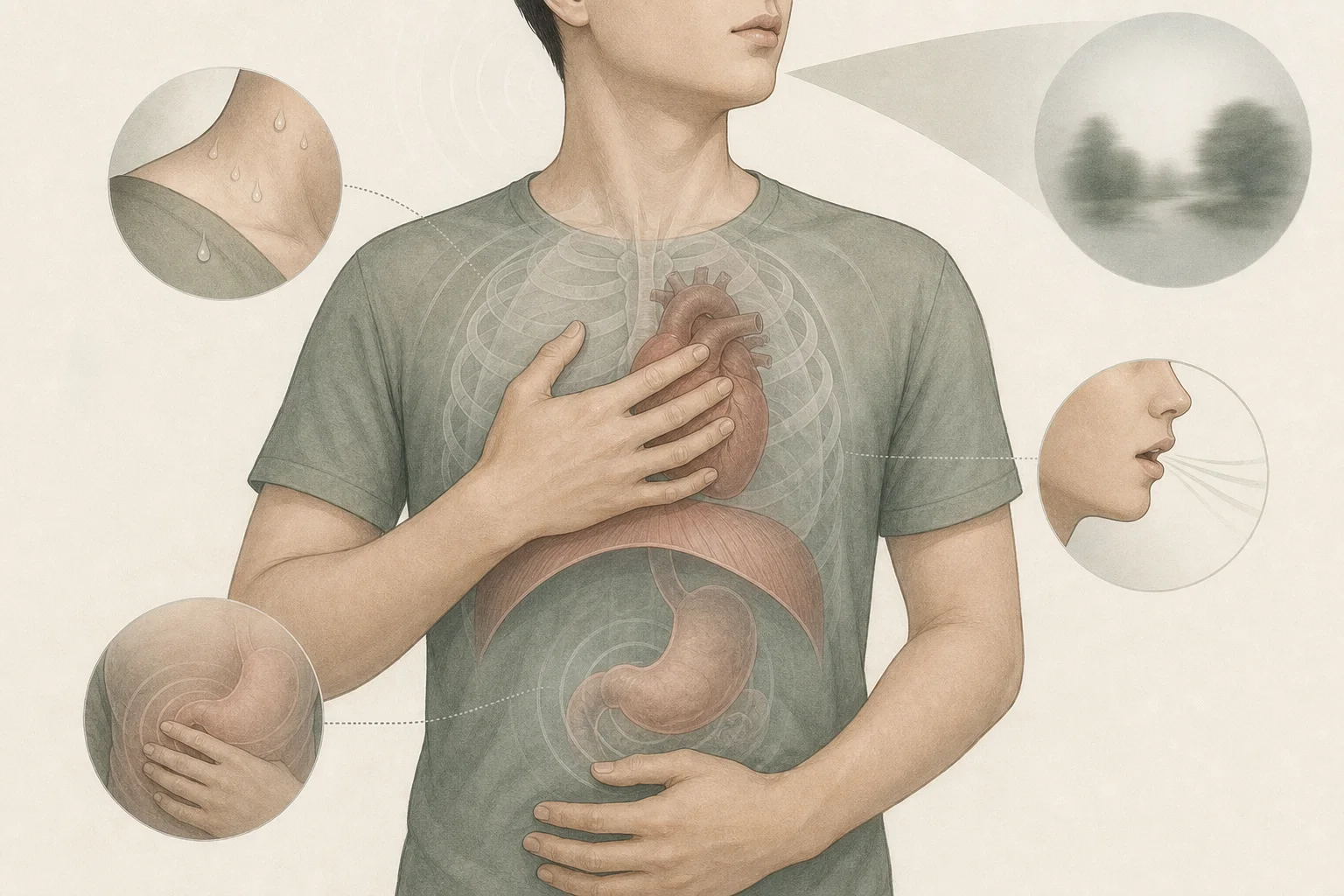
The physical symptoms felt during an attack are real. If new chest pain or fainting occurs, the causes related to the heart and respiratory system should be checked first.
The physical responses of Hwabyeong (anger syndrome) do not end in the chest but extend to sleep and digestion
If your solar plexus feels blocked and your appetite drops even after a conflict has ended, or if you cannot sleep because the same scene keeps playing in your mind, the body's alarm system has not fully turned off. If this leads to fatigue and a desire to avoid people the next day, a single emotional event can hold your daily life captive for a long time.
Treatment priorities differ for those who first experience chest tightness, those who experience significant facial flushing and headaches, and those whose primary symptoms are a foreign body sensation in the throat and digestive discomfort. Rather than grouping these under the single name of 'emotion,' we must specifically address the pathways left in the body.
Korean herbal medicine treatment unties the knots of the body without suppressing emotions
Baekrokdam reflects the sequence in which chest tightness, heat sensation, throat blockage, throbbing, digestion, and sleep are affected Pattern Identificationinto the Korean herbal medicine prescription. Even for the same Hwabyeong, the focus of treatment differs depending on whether the primary issue is heat and stagnation in the upper body or whether recovery is slow due to exhausted energy.
Acupuncture treatment is used in conjunction to reduce tension in the neck, chest, and breathing, and to help the body hyperarousalreduce the time it takes to recover from tension. This is not a treatment to erase emotional events, but a treatment to prepare the body so that you can return to your relationships and daily life.
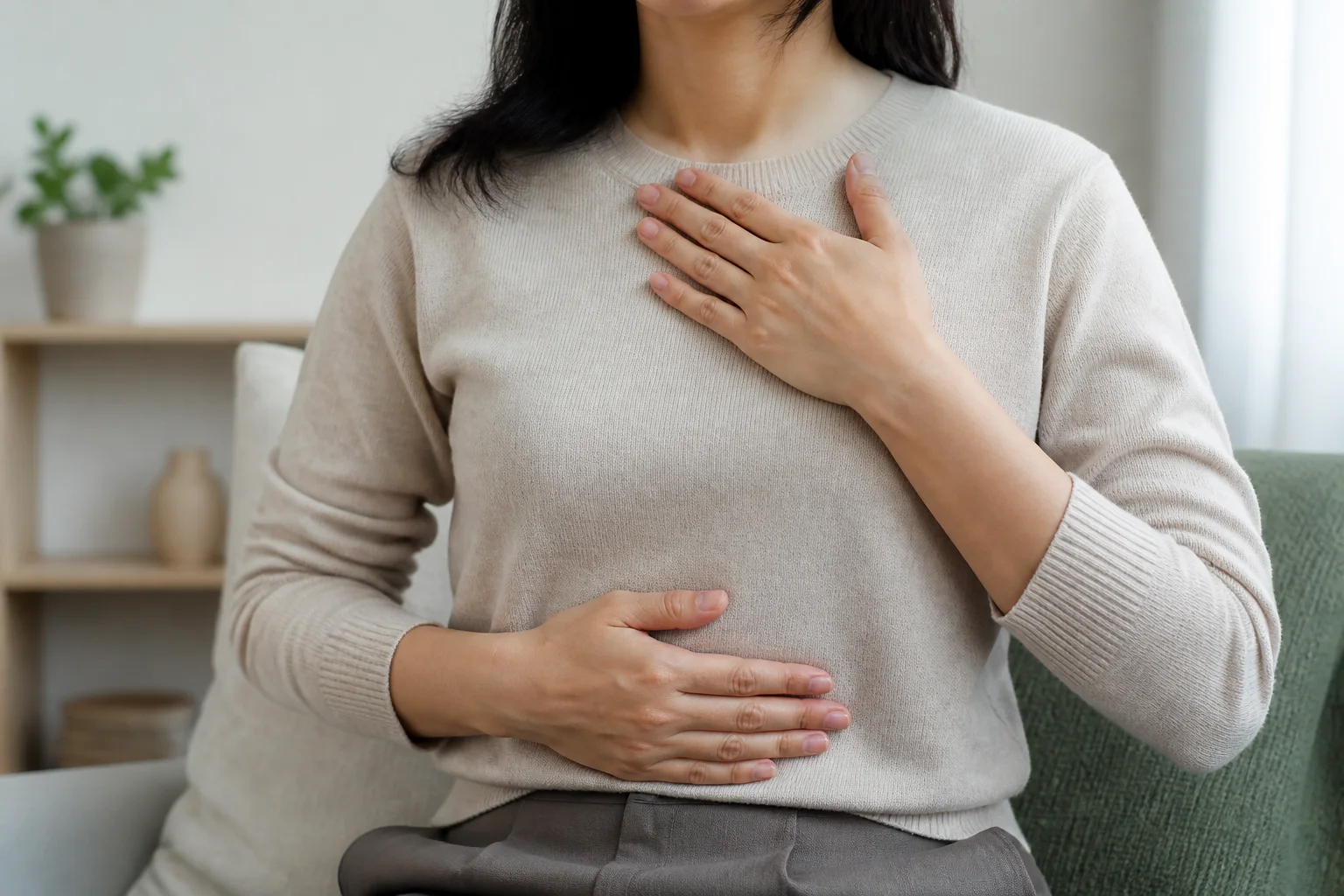
We will examine how the habit of constantly checking heart rate and breathing, as well as avoidance behaviors, reduces your daily quality of life.
Improvement means that your entire day does not collapse even after the same conflict occurs
If the time it takes for the chest to feel relieved has shortened, but sleep and digestion remain the same, we maintain the axis that responded first and shift the weight of the prescription to the remaining parts. Conversely, if sleep has improved but a feeling of blockage in the throat and heat persist, that difference becomes a clue for the next treatment.
The end of treatment is not a state where you never feel anger. It must reach a point where the body is less shaken after a conflict, where meals and sleep are maintained, and where recovery of work and relationships the next day is faster than before.
Hwabyung treatment is not about erasing emotions. It is a process of reducing the body's reactions, which spread to the chest, heat sensations, throat, digestion, and sleep, to shorten the time that emotions grip your daily life and relationships.
Evidence and Update Information
This content was organized by Korean medicine doctor Choi Yeon-seung based on the materials below and was updated on 2026-08-31.
- NIMH: Caring for your mental healthBasic principles for caring for the effects of emotional stress on daily functioning and the body
- NCCIH: StressEvidence-based scope for managing stress responses, relaxation, breathing, and lifestyle
- WHO international standard terminologies on traditional medicineInternational standards for the consistent use of traditional medicine terminology and Korean medicine explanations
- Clinical correlates of Hwa-byungClinical characteristics of Hwabyung where physical symptoms such as chest tightness, heat sensations, throat blockage, and throbbing appear together
- Acupuncture for psychosomatic symptoms of Hwa-byungA randomized preliminary study exploring the physical symptoms of Hwabyung and the possibility of acupuncture treatment