Trauma and Sleep
Why does the body continue to feel danger when nightmares, startle responses, and avoidance repeat?
Nightmares and insomnia, hyperarousal (being startled by small sounds), and avoidance (avoiding specific places or conversations) are not separate issues. We explain how to lower the body's remaining alarm signals, such as sleep disturbances, throbbing, digestion issues, and muscle tension, through Korean herbal medicine and acupuncture treatment alongside professional trauma therapy.
Post-Traumatic Stress DisorderIn this condition, nightmares, unwanted memories, excessive startle responses, and avoidance continue to link together even after the event has ended, triggering the body's alarm system. Rather than recounting the event in detail, treatment can begin by addressing what is currently hindering your sleep, relationships, mobility, and daily life.
| Symptom Cluster | How it May Manifest | Recovery Goal |
|---|---|---|
| Re-experiencing | Nightmares, unwanted memories, vivid physical reactions | Distinguishing the present from the past again |
| Avoidance and Detachment | Avoiding places, conversations, relationships, or emotions | Restoring the range of safe activities |
| Hyperarousal | Startle response, insomnia, irritability, hypervigilance, decreased concentration | Relieving the body's alarm and tension |
| Changes in mood and cognition | Guilt, numbness, isolation, loss of interest | Restoring relationships and daily functioning |
Even after an event ends, the body's alarm may remain in the present tense
Re-experiencing in Post-Traumatic Stress Disorder (PTSD) does not end with simply recalling memories. Along with nightmares or sudden intrusive scenes, you may experience a racing heart, shortness of breath, cold sweats, and muscle stiffness, reacting as if you are in danger right now.
This reaction is not caused by a lack of willpower. When a current small sound, smell, light, or place becomes linked to a past danger, the body sounds the alarm first, and thoughts follow afterward.
Nightmares are not just a sleep problem, but a re-experiencing that continues into the night
If you feel tense before falling asleep, wake up frequently, and cannot return to sleep after a nightmare, your daytime concentration and emotional regulation will also decline. Staying up late to avoid sleep or relying on alcohol and sleeping pills can further disrupt your day-and-night rhythm.
Snoring, sleep apnea,Restless legsand other causes that wake you up independently of nightmares are also evaluated. When nighttime alarms overlap with actual sleep disorders, morning fatigue and headaches will not sufficiently improve by treating only one side.
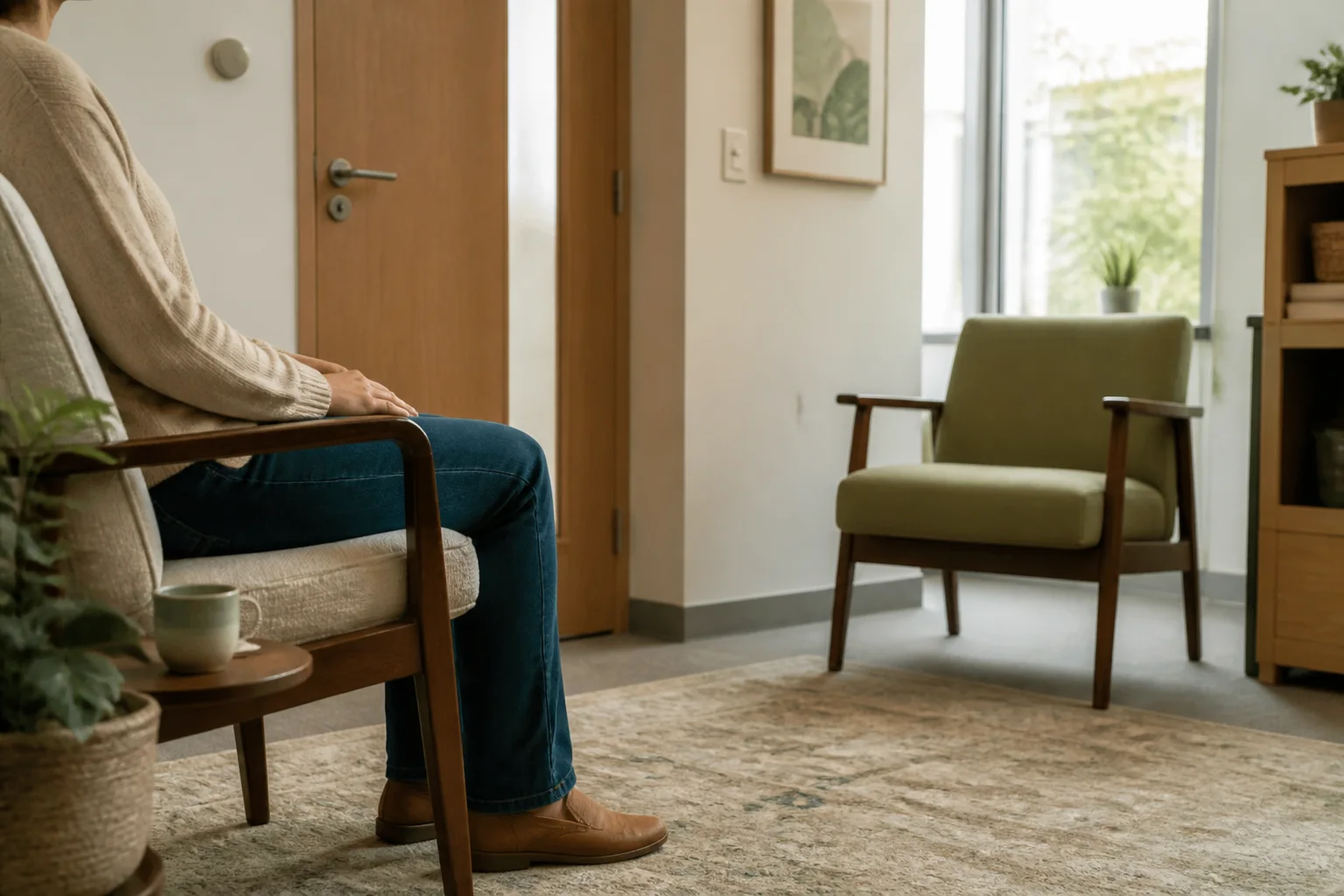
Trauma care focuses on confirming current safety, identifying situations that trigger symptoms, and finding ways to calm down, rather than forcing a reenactment of the event.
Avoidance reduces immediate anxiety but narrows the scope of your life
Avoiding scenes that trigger memories, such as specific roads, modes of transportation, people, conversations, news, or hospitals, may provide temporary relief. However, as the scope of avoidance expands, it becomes difficult to commute, go out, maintain relationships, or receive treatment, and the body continues to learn that those scenes are dangerous.
Professional trauma-focused psychotherapy is a core treatment that reconnects memories with current safety and reduces the extent of avoidance. The treatment process does not unconditionally force you to speak in detail about the event, but proceeds based on your current capacity and readiness.
Hyperarousal simultaneously disrupts sleep, heart rate, digestion, and pain
Being startled by small sounds, constantly scanning for exits and surroundings, having a stiff neck and shoulders, and feeling tightness in the chest and solar plexus indicates a state where the body cannot let down its guard even during rest. Irritability, poor concentration, headaches, abdominal pain, and diarrhea can also increase along with this tension.
The body learns that the present is a safe time only when experiences accumulate where the heart rate and breathing slow down, digestion resumes, and sleep deepens in the absence of danger. Lifestyle management should be directed toward lowering the body's alarm in conjunction with treatment, rather than training you to simply endure it.
Herbal medicine and acupuncture treatments address the different forms of alarm signals remaining in the body
Different prescriptions are used for different patterns: Sang-yeol (heat rising to the face and shallow sleep following shock or anger), Gi-ul (stagnation in the chest and solar plexus accompanied by sighing and nausea), Dam-ul (heaviness, mental cloudiness, and slow digestion), and Sim-bi-yang-heo (loss of appetite and energy due to long-term exhaustion).
Herbal medicine treatment focuses on recovering sleep, digestion, body heat, and energy, while acupuncture addresses shallow breathing and areas that tighten during alertness, such as the neck, jaw, chest, and diaphragm. These serve to expand the body's capacity to cope while continuing professional psychotherapy and psychiatric treatment.
Recovery is a change where your current life expands, rather than the ability to explain the event well
Recovery is characterized by changes such as a shorter time to fall back asleep after a nightmare, a faster return to normal heart rate and breathing after being startled, and gradually reclaiming avoided places and relationships. You must gain the strength so that your entire day does not collapse even when memories resurface.
If you experience thoughts of self-harm or harming others, changes in your perception of reality, or situations where it is difficult to stay in a safe place, seek immediate crisis response and psychiatric help. In other processes, rather than repeatedly proving the event, we can first treat remaining issues with sleep, tension, digestion, and energy.
Nightmares, startle responses, and avoidance are part of a single flow where the body perceives past danger as if it were happening now. The goal of treatment is to lower the alarm signals of sleep, heart rate, digestion, and tension through herbal medicine and acupuncture alongside professional trauma therapy, and to gradually expand the daily life you had been avoiding.
Evidence and Update Information
This content was organized by Korean medicine doctor Choi Yeon-seung based on the materials below and was updated on 2026-08-31.
- NIMH: Post-Traumatic Stress DisorderRe-experiencing, avoidance, hyperarousal, changes in cognition and mood, and decline in daily functioning
- NICE NG116: Post-traumatic stress disorderPTSD evaluation, trauma-focused psychotherapy, safety, and preparation for treatment
- VA National Center for PTSD: PTSD Treatment WorksNightmares, avoidance, hyperarousal, and patient guidance when starting treatment
- VA/DoD 2025: Chronic Insomnia Disorder and Obstructive Sleep ApneaEvaluation of insomnia and sleep apnea that disrupt sleep independently of nightmares
- PubMed: Acupuncture for Anxiety, systematic review and meta-analysisScope and research heterogeneity of acupuncture studies on anxiety and hyperarousal