Dreams and Sleep Recovery
When you dream a lot and feel tired even after sleeping, what to check before the duration of sleep
If you feel exhausted from the morning despite lying down for seven hours and experiencing continuous dreams, we treat sleep continuity, bodily hyperarousal, medications, and next-day recovery together, rather than interpreting the content of the dreams.
The mere fact that you remember dreams does not mean you lack deep sleep. You must distinguish whether you wake up frequently during the night with vivid dreams, whether nightmares and tension interrupt your sleep, or whether this coincides with changes in medication.
The feeling of having many dreams may be more closely related to the number of times you woke up than the actual amount of dreaming.
People can dream not only during REM sleep but also during various other sleep stages. However, if you wake up even briefly immediately after a dream, that scene is more likely to be remembered. Therefore, people who experience frequent nighttime awakenings often feel as though they 'dreamed all night' by morning.
Remembering a dream does not immediately mean you lacked deep sleep. What is more important is how many times you regained consciousness during the night, how long it took to fall back asleep, and whether you experience morning headaches, dry mouth, drowsiness, or poor concentration.
Vivid dreams and distressing nightmares require different clinical approaches.
If the content is vivid but not frightening and does not interfere with your daily life, treatment to eliminate the dreams themselves may not be necessary. Conversely, if you wake up with cold sweats and throbbing, or if the same threatening scenes repeat and you begin to avoid going to bed, nightmares hyperarousalmust be treated separately.
If you act out dreams by shouting or swinging your arms and legs, to the extent that you or a partner could be injured during sleep, this must be distinguished from typical dream-filled sleep. In such cases, a sleep disorder evaluation takes priority.
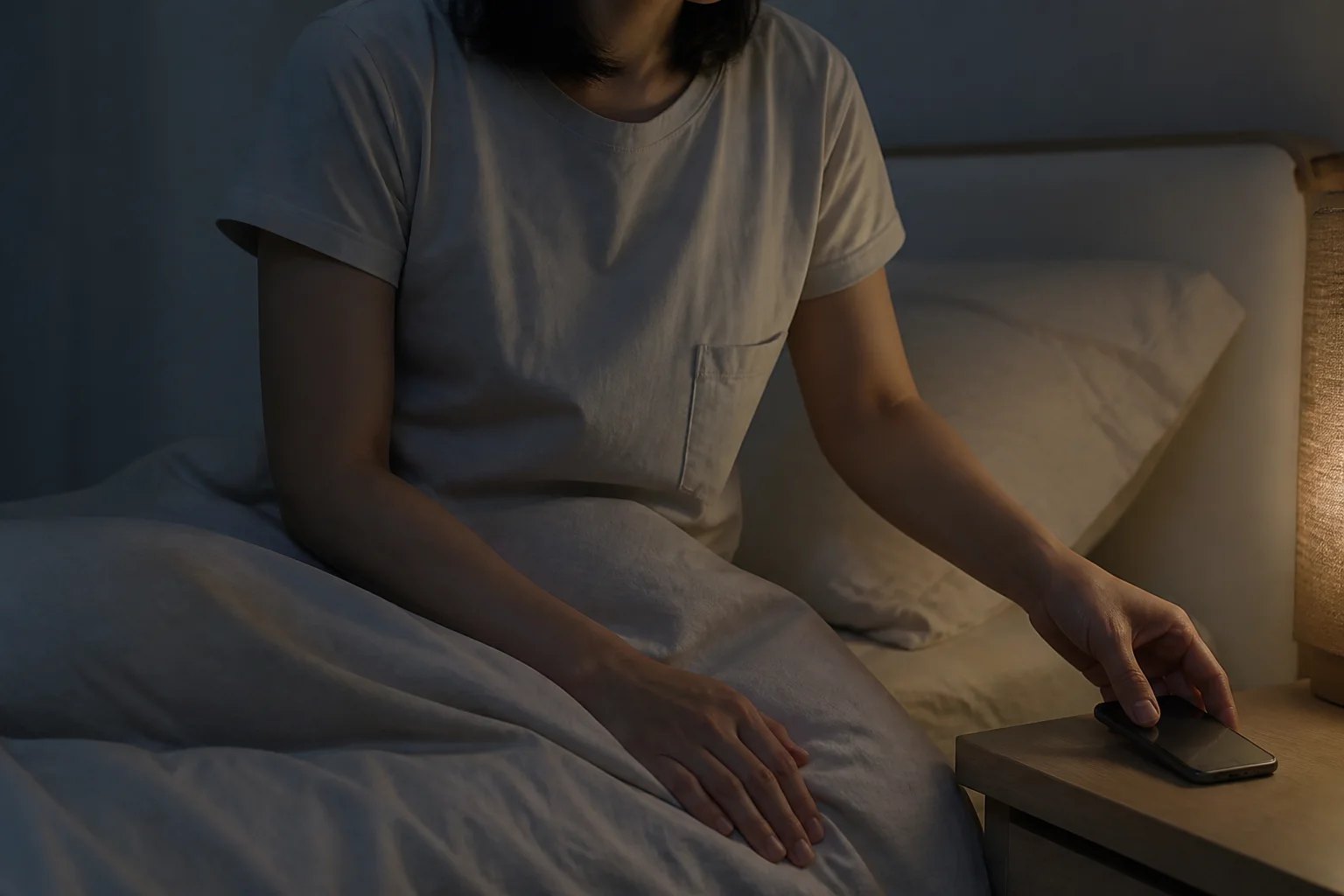
Rather than just the time spent unable to sleep, record the act of checking the clock, anxiety in bed, and the following day's functioning.
Stress and physical tension cause fatigue by disrupting sleep rather than through the dreams themselves.
If daytime worries persist into the night, your heart rate, breathing, and tension in the jaw and shoulders may not sufficiently decrease even after you fall asleep. Frequent awakenings due to small noises or changes in body temperature, combined with racing thoughts while trying to fall back asleep, increase morning fatigue.
Snoring and sleep apnea, Restless legsas well as pain and nocturia, also fragment sleep. If we focus only on the statement that there are 'many dreams,' we may miss the actual axes of respiratory issues, leg movements, pain, or anxiety that are waking the patient.
If your dreams changed after starting or switching medications, we will review the timing of your medication.
Some antidepressants and sleep-related medications can affect the frequency and content of remembered dreams, as well as REM sleep and nighttime awakenings. If vivid dreams or nightmares occur after starting a medication or changing the dosage, do not stop the medication arbitrarily; instead, coordinate with the prescribing medical professional.
Dreams and nightmares may suddenly increase during the process of tapering medication. If insomnia and anxiety remain severe despite current medication, the correct sequence is to first stabilize sleep and physical symptoms while continuing the existing medication, rather than rushing to reduce the dose.
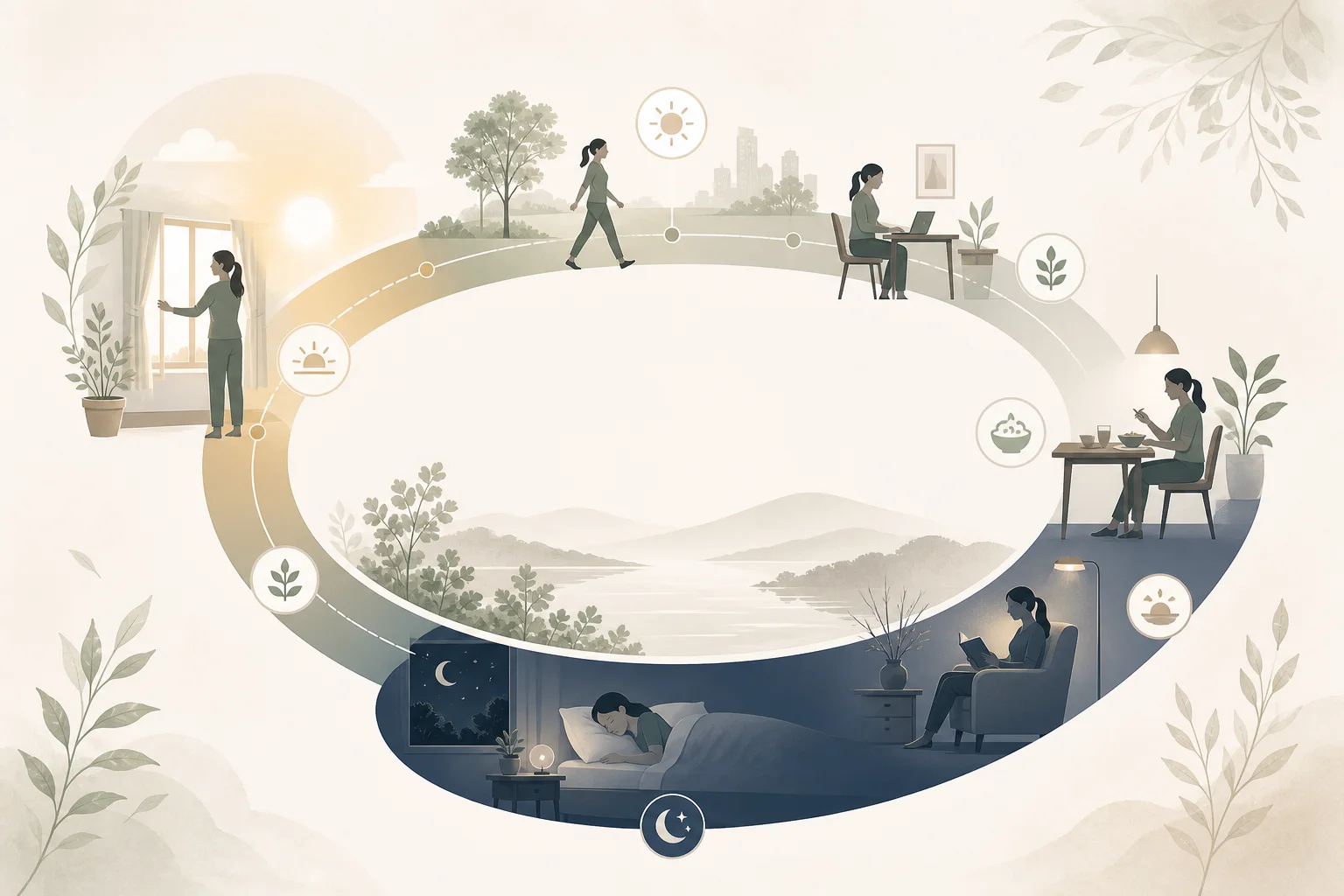
Rather than forcing yourself to lie down early, we adjust the wake-up time and the reference points for light, meals, and activity together.
Korean medicine focuses on reducing the body's reactions that disrupt sleep rather than interpreting the content of dreams.
Baekrokdam prescribes Korean herbal medicine by observing how heat sensations, throbbing before sleep, nighttime awakenings, cold sweats, digestion, and morning fatigue are linked, rather than simply whether dreams are vivid. The focus of treatment differs between cases where the mind and body are overly excited leading to shallow sleep, and cases where exhaustionIf you still do not feel recovered after sleeping, the focus of treatment is different.
Acupuncture is used in conjunction to reduce tension in the neck, chest, and breathing, helping the body transition into sleep. If nightmares, anxiety, depression, or trauma responses are prominent, we clearly define the physical role of Korean medicine while maintaining necessary mental health and sleep treatments.
Improved sleep is not about forgetting dreams, but about sleep that allows you to function the next day.
You may still remember your dreams even after treatment. However, if the number of times you wake up between dreams decreases, the time it takes to fall back asleep shortens, your body feels less heavy in the morning, and you are able to start your morning work, the restorative power of your sleep has changed.
If you struggle to completely eliminate dreams, you may find yourself evaluating your sleep even before falling asleep. Rather than simply trying to increase your time in bed, maintain your wake-up time, exposure to morning light, and daytime activities, and nighttime awakeningwe adjust the Korean herbal medicine prescriptions and acupuncture treatments according to your remaining hyperarousal.
The feeling of remembering many dreams can be amplified by nighttime awakenings and fragmented sleep. Rather than focusing on the content of the dreams, we address hyperarousal, breathing, medications, and morning fatigue through Korean herbal medicine and acupuncture to restore sleep continuity and next-day recovery.
Evidence and Update Information
This content was organized by Korean medicine doctor Choi Yeon-seung based on the materials below and was updated on 2026-08-31.
- Dreams, sleep and psychotropic drugsLiterature reviewing the relationship between nighttime awakenings, dream recall, and changes in mental health medications
- Nightmares affect the experience of sleep qualityThe relationship between nightmares and subjective sleep recovery and next-day discomfort
- The effects of lucid dreaming and nightmares on sleep qualityThe difference in how nightmares, rather than dreams themselves, are linked to sleep quality, stress, and anxiety
- NHLBI: Sleep deprivation and deficiencyThe impact of sleep fragmentation and quality, as well as sleep duration, on next-day concentration, mood, and physical recovery
- AASM: Management of REM sleep behavior disorderClinical criteria to distinguish REM sleep behavior disorder, where there is a risk of injury from acting out dreams, from general vivid dreaming
- NHS: Night terrors and nightmaresPatient guide for those requiring separate evaluation when recurring nightmares disrupt sleep and daily functioning